
Learning how to store chainsaw equipment properly can make a big difference in how long your tool lasts and how safely it performs. Whether you use your saw every week or only a few times a year, taking a few simple steps to store chainsaw gear the right way helps prevent rust, leaks, and damage that can build up quietly over time. Good storage habits also mean your saw will be ready to go the next time you need it—no surprises, no hard starts, and no unnecessary repairs.
This guide walks you through everything you need to know to store chainsaw tools confidently at home. From cleaning and draining fuel to choosing the ideal storage location, we’ll cover practical tips that keep your investment protected year-round. If you’re new to chainsaw ownership or just want to refine your current routine, these steps will help ensure your saw stays reliable, safe, and in top working condition.
This article contains Amazon Associate links. As an Amazon Associate, we earn from qualifying purchases at no additional cost to you.
How to Store Chainsaws Correctly for Storage
Storing a chainsaw correctly starts with a thorough cleaning. Before you put your saw away for any length of time, wipe down the exterior (we use a sturdy shop rag moistened with Simple Green), remove sawdust buildup from around the clutch cover, and clean the bar groove and oil hole. Residual debris can trap moisture and lead to rust, while leftover sap or wood dust can harden over time. A clean chainsaw is far less likely to develop corrosion, leaks, or sticky components while it’s sitting on the shelf. Of course, make sure the chainsaw is off while you do this…
Next, make sure the fuel system is handled properly based on your storage timeline. For short-term storage—anything under a month—you can generally leave stabilized fuel in the tank. For long-term storage, it’s best to drain the tank, run the engine dry, and reduce the chance of varnish forming in the carburetor. Oil the bar and chain lightly before storing to prevent rust, and consider loosening the chain a bit so it doesn’t contract too tightly as temperatures change.
Finally, choose a storage location that protects your chainsaw from temperature swings, moisture, and accidental damage. A shelf in a garage, shed, or tool room works well as long as the saw stays upright and covered. Absolutely keep your chainsaw in the hard case that it came in, if you have it. Good storage habits not only extend the life of your saw but also make it safer and easier to grab whenever your next project rolls around.
How to Store Chainsaw Gas & Oil
Storing chainsaw gas and oil correctly is just as important as storing the saw itself. Mixed fuel has a limited shelf life, and improper storage can lead to hard starts, clogged carburetors, or even engine damage (although this is rather unlikely). The best way to store chainsaw gas is in a clearly labeled, sealed, and approved fuel container kept in a cool, dry place away from direct sunlight. If you don’t know, these are commonly called “combi-cans” among foresters, and are an essential thing to have if you use your chainsaw frequently!
Always use fresh, ethanol-free fuel if possible, and add a a bit of Seafoam or dedicated fuel stabilizer (we use Sta-bil in all of our small and large motors!) if you plan to keep the mix for more than a month.
Bar and chain oil should be stored indoors, upright, and in a temperature-stable location. Extreme heat can thin the oil, while cold temperatures can make it too thick to pour or flow properly. Keep the cap tightly sealed to prevent contamination from dust or moisture. By maintaining a clean, organized storage spot for both your fuel mix and oil, you ensure that every time you reach for your chainsaw, you’re working with high-quality fluids that protect your engine and cutting system instead of harming them.
If you have leftover fuel at the end of the cutting season, it’s best not to store it in the saw’s tank. Instead, run the chainsaw dry or drain the tank completely to prevent gumming and varnish buildup inside the carburetor. Any fuel mix older than 30–60 days should be discarded safely—never poured back into a fresh batch—because old gas loses volatility and can cause performance issues or damage internal components. Keeping your gas and oil storage routine simple and consistent goes a long way toward protecting your equipment and ensuring your chainsaw fires up reliably whenever you need it.
How to Store Chainsaw Chains, Files and Bars
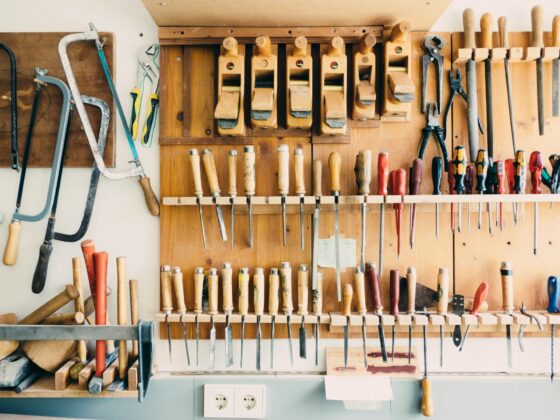
Keeping your chainsaw accessories organized is just as important as storing the saw itself. Items like extra chains, sharpening files, screnches, safety chaps (because you do own chaps, right!?), gloves, and replacement bars can easily get misplaced if they’re scattered around the garage. Designate a single storage area—such as a wall-mounted tool panel, a small drawer system, or a dedicated tote—so everything stays together and ready to use. Storing spare chains in their original packaging or in labeled resealable bags prevents rust and helps you quickly identify which chain fits which saw. Keep those in a sturdy bin of their own, and some folks even prefer milk crates for this exact usage.
It’s also a good idea to keep your safety gear with your chainsaw equipment so you never start a job without the right protection. Ear protection, safety glasses, helmets, and gloves should all have a clear, accessible home. When your accessories are clean, organized, and stored in one place, you save time and ensure you’re always prepared for the next task—without hunting through drawers or digging through a cluttered bench the moment you need something.
Of course, make sure wherever you store your kit that it’s properly labeled so you don’t have to think about where anything is when it comes time to go grab some firewood.
Final Thoughts: How to Store Chainsaw Gear Correctly
Storing your chainsaw properly is one of the simplest ways to extend its life, keep it running safely, and avoid preventable repairs. With just a little routine care and some fuel stabilizer—cleaning the saw, protecting the bar and chain, maintaining sharpness, and keeping gas and oil stored correctly—you set yourself up for smoother starts and more reliable cutting whenever you need the tool.
Whether you’re putting the saw away for the season or just between weekend projects, taking a few minutes to store it the right way pays off every time. With good habits and a dedicated storage space, your chainsaw stays protected, organized, and ready for years of dependable use. If you’re looking to take your tool care even further, consider adding proper PPE and a laminated maintenance checklist to your setup so every cutting job starts safely and efficiently.