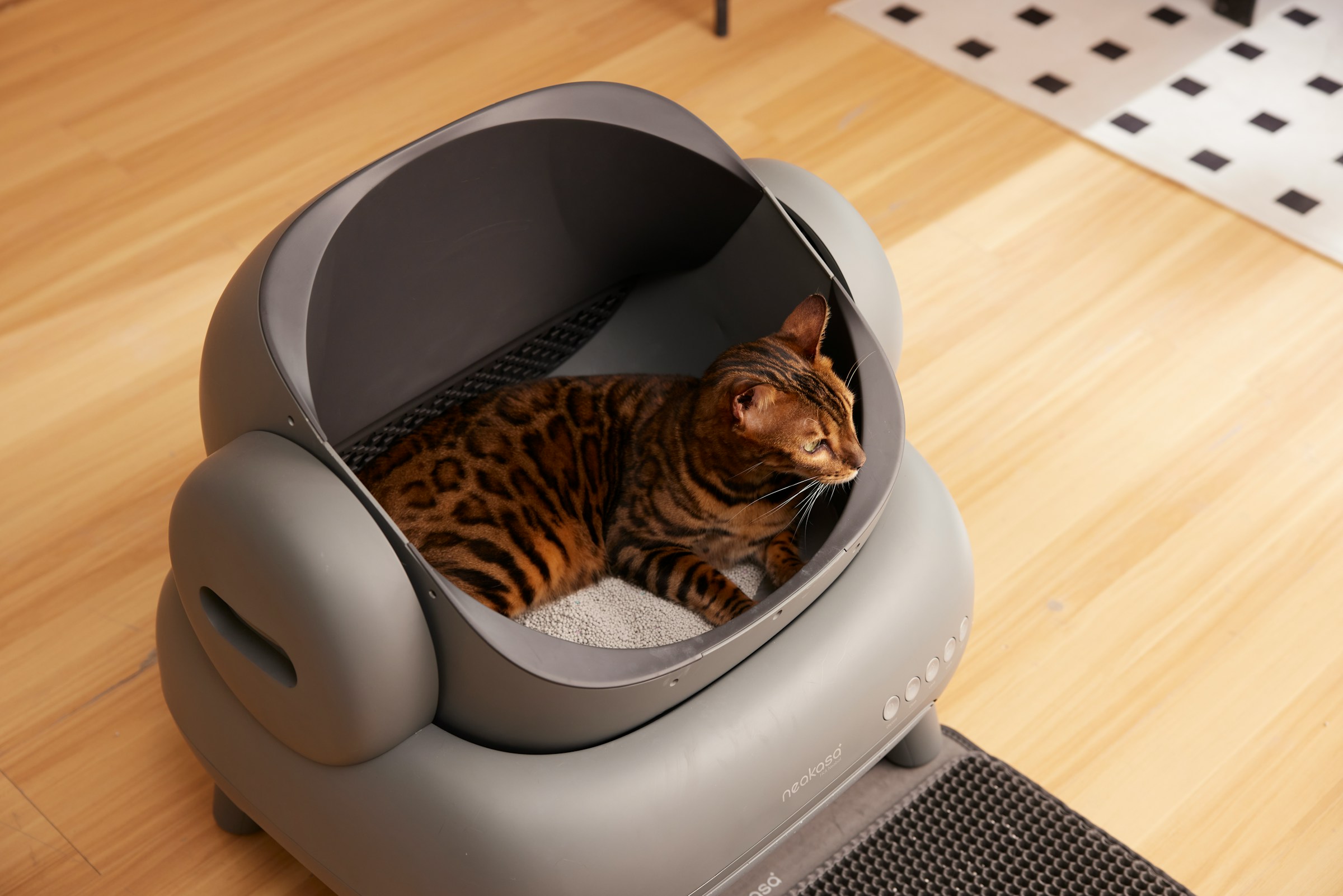
If cleanliness isn’t always synonymous with organization, the two are extremely closely related. One of the biggest pains of a cat owner is the daily scooping and odor of a litter box. The automatic litter box has become one of the simplest ways to reclaim your free time while keeping your home cleaner and fresher. Instead of scooping every day or battling odors when life gets busy, an automatic litter box handles most of the work on its own. For busy people, multi-cat homes, or anyone who wants a more hands-off routine, it’s a huge upgrade over a traditional box.
In this guide, we’ll walk through everything you need to know about choosing, using, and maintaining an automatic litter box. From how they work to the features that matter most, you’ll learn what to look for—and what to avoid—so you can enjoy a home that stays cleaner with far less effort on your part.
This article contains Amazon Associate links. As an Amazon Associate, we earn from qualifying purchases at no additional cost to you.
Pros of an Automatic Litter Box
The biggest advantage of an automatic litter box is the amount of time and effort it saves. Daily scooping becomes a thing of the past, giving you back a few minutes every day and eliminating the guilt of falling behind when life gets busy. This consistent cleaning also keeps odors down, since waste isn’t sitting in the box for hours or days. Many owners notice their homes smell significantly fresher almost immediately after switching.
Automatic litter boxes also help maintain a cleaner environment for your cat. A box that’s always freshly scooped encourages better litter box habits and reduces the chances of accidents around the house. For multi-cat households, the automatic cleaning cycles keep the box usable more often, preventing overcrowding and stress. And if you travel or work long hours (like we do), knowing the box stays clean while you’re away is a major relief. Overall, the convenience and cleanliness make the upgrade well worth considering.
Cons and Limitations
While automatic litter boxes offer plenty of convenience, they’re not perfect. The biggest drawback for most people is the upfront cost, since even the more affordable models are still more expensive than a traditional litter box. Some units can also be a bit noisy when they run their cleaning cycle, which might bother sound-sensitive pets or light sleepers if the box is placed in a common area.
There’s also a learning curve for some cats. Most adjust quickly, but a few may be nervous around moving parts or mechanical sounds, requiring a slower introduction. And although these boxes reduce daily scooping, they don’t eliminate maintenance entirely—you’ll still need to empty the waste drawer, replace liners or filters, and give the machine a thorough cleaning from time to time. Finally, automatic litter boxes need a bit of space to operate, so cramped corners or tight shelves may not be ideal locations. Despite these limitations, most owners find the benefits far outweigh the inconveniences.
Types of Automatic Litter Boxes
Automatic litter boxes come in a few different designs, each with its own strengths and quirks. The most common type is the rake-based system, where a mechanical rake moves through the litter to collect clumps and push them into a waste bin. These models are often more affordable and straightforward, making them a good entry point for people new to automatic boxes.
Another popular style is the globe or tumbler design, where the entire chamber rotates to sift clean litter from waste. These tend to offer excellent odor control and work especially well in multi-cat homes. There are also conveyor belt systems that slowly transport clumps to a waste bin over time, as well as more advanced setups that wash or flush the litter entirely. Each type has its own maintenance requirements and space needs, so choosing the right one depends on your home layout, budget, and your cat’s preferences.
We have no relationship with this brand, but as a whole, the Fumoi automatic litter box seems to be the best value and highest-rated unit on the market right now (without spending obscene amounts of money on something that looks like it’s from Star Wars).
Key Features To Look For
Choosing the right automatic litter box comes down to understanding which features actually matter for daily use. One of the most important is the size and design of the waste drawer. A well-sealed drawer helps control odor and reduces how often you need to empty it. Sensor quality is another key factor; look for models with reliable weight or motion sensors that prevent the unit from cycling while your cat is still nearby.
Litter compatibility is also worth paying attention to. Some machines work only with specific types of litter, while others are more flexible. Noise level, cleaning cycle speed, and ease of disassembly for deep cleaning all play a role in how enjoyable the box is to live with. If you like tech features, app connectivity can give you alerts when the waste drawer is full or track how often your cat uses the box. In the end, a good automatic litter box should fit your lifestyle, your home setup, and—most importantly—your cat’s comfort.
There are tons of automatic litter boxes available on the internet, and most are just white-label units — there are really only a few different models actually for sale. With that in mind, just know what type you’d like and what features you are looking for, and shop for the best price on Amazon.
Cat Training and Transition Tips
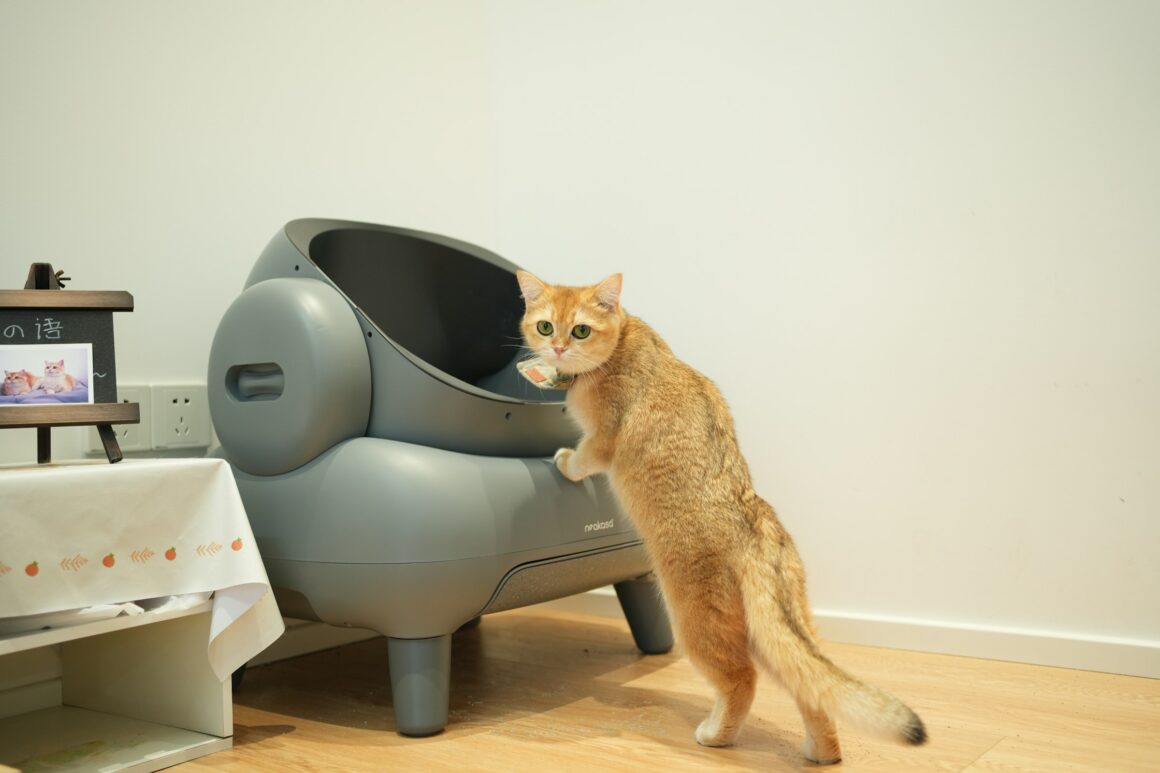
Yes, “cat training” sounds like a joke, and this particular subject is well out of our wheelhouse, but we did a little research on this particular subject to make this article as helpful as possible.
Even though many cats adapt to an automatic litter box right away, others need a little time to get comfortable. The easiest approach is to place the new box next to the old one so your cat can investigate it at their own pace. Leave the automatic box turned off at first so it stays still and quiet. Once your cat has used it a few times, you can switch on the cleaning cycle, ideally when they’re out of the room so the movement doesn’t startle them.
Keep the same litter your cat is already used to, at least for the transition period. Cats rely heavily on scent cues, so familiar litter helps them understand that the new box serves the same purpose. Rewarding them with treats or gentle praise after they explore the box can also help create positive associations. If your cat shows hesitation, patience is key—forcing them to switch too quickly can backfire. As long as you keep the old box accessible during the transition and gradually shift your cat’s routine, most pets adjust without much trouble.
Of course, your experiences may vary here, and if you have suggestions, we hope you’d contact us so we can add them here and help others.
Maintenance and Cleaning
An automatic litter box cuts down on daily scooping, but it still needs regular upkeep to stay reliable and odor-free. Most models require you to empty the waste drawer every few days, depending on how many cats you have and how often they use it. This quick step keeps smells under control and prevents the machine from getting overfilled. It’s also a good idea to check the rake, globe, or conveyor parts for any stuck litter so the cleaning cycle runs smoothly.
Every few weeks, plan on doing a deeper clean. This usually involves disassembling the main components, washing them with mild soap and warm water, and letting everything dry completely before reassembling. Avoid harsh chemicals that could leave behind scents your cat won’t like. While you’re cleaning, inspect any seals, liners, or filters and replace them as needed—these small pieces make a big difference in how well the box controls odor. With a simple routine, your automatic litter box will stay fresh, efficient, and ready to save you time day after day.
As with the below section on troubleshooting… just read your whole manual and follow the manufacturer’s directions when it comes to this kind of stuff.
Best Litter Choices for Automatic Systems
The litter you choose has a huge impact on how well an automatic litter box performs. Most models work best with a clumping clay litter that forms firm, consistent clumps. This helps the machine sift waste cleanly without breaking pieces apart, which can cause buildup or fouling in the mechanism. Avoid litters that are too lightweight or overly dusty, since they can interfere with sensors or get tracked outside the box more easily. Personally, we use the World’s Best Cat Litter Low Dust and Tracking litter, and it works great with out automatic litter box, although the standard multiple-cat kind would be far too dusty.
Crystal litter is another option, especially for units designed specifically for it. Crystal grains absorb moisture and odors well and can extend the time between cleanings, though some cats don’t love the texture. Pellet-style litters generally don’t work with automatic systems unless the machine is built for them, as the pellets don’t sift properly. When in doubt, check your model’s guidelines—using the right litter makes the machine more reliable, easier to maintain, and far less likely to jam.
Common Problems and Troubleshooting
Even the best automatic litter boxes can run into occasional hiccups, but most issues are easy to fix once you know what to look for. Sensor errors are one of the most common problems, especially if litter or dust has built up around the detection area (and some types of litters are more prone to this kind of dust buildup than others).
A quick wipe with a dry microfiber cloth — the Scrub Daddy ones are the best! — cloth usually clears things up. If the machine isn’t cycling at all, double-check that it’s level on the floor—many models won’t run properly if they’re tilted or sitting on uneven surfaces. An inexpensive bubble level can be used to verify that it’s set up correctly, and also has a ton of other uses around the house, too.
Jams can happen when clumps break apart or stick to the side of the chamber. This is often a sign that the litter isn’t forming firm enough clumps or that the box needs a deeper clean. Switching to a more suitable litter or adjusting the fill level can make a big difference. Waste drawers that fill too quickly often mean you’re using too little litter or the machine’s timer needs adjusting. And if your cat suddenly avoids the box, look for simple causes like strong odors, stuck waste, or a recent cleaning product with a smell they dislike. Most problems come down to small adjustments that get the box running smoothly again.
As always, turning it off and back on again if a problem comes up is another way to trouble shoot… or just read your owners manual. Crazy, I know.
Other Helpful Things to Consider
With any litter box, a good mat underneath will help contain errant little particles and dust, and reduce “tracking” of litter around the home (we hate this!). The silicone ones are probably the best and most durable, and are what we use in our house.
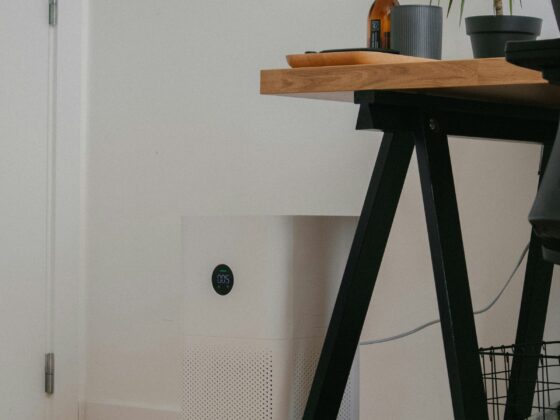
You can also spring for an air purifier — it doesn’t have to be an expensive one — nearby your litter box, or use one of the many scent dispensers or diffusers on the marker.
Also, if you’d like to corral odors from your cat food before it comes out the other end, check out our other recent article on the best containers for your pet food!
What other tips do you have for dealing with cat litter? Let us know!
Conclusion: Should You Get an Automatic Litter Box?
An automatic litter box is one of those upgrades that quietly improves your daily routine, giving you back time and keeping your home noticeably cleaner. By taking over the constant scooping and maintaining a fresh box around the clock, it reduces odors, cuts down on mess, and makes cat care feel a whole lot easier. While there’s an upfront cost and a little learning curve, most owners find the payoff well worth it once everything is set up and running smoothly.
If you choose a model that fits your space, use the right litter, and give your cat a gentle transition, the result is a cleaner home with far less effort on your part. Whether you’re managing a busy schedule, dealing with multiple cats, or just tired of scooping every day, an automatic litter box can make a big difference in both convenience and cleanliness.