Introduction
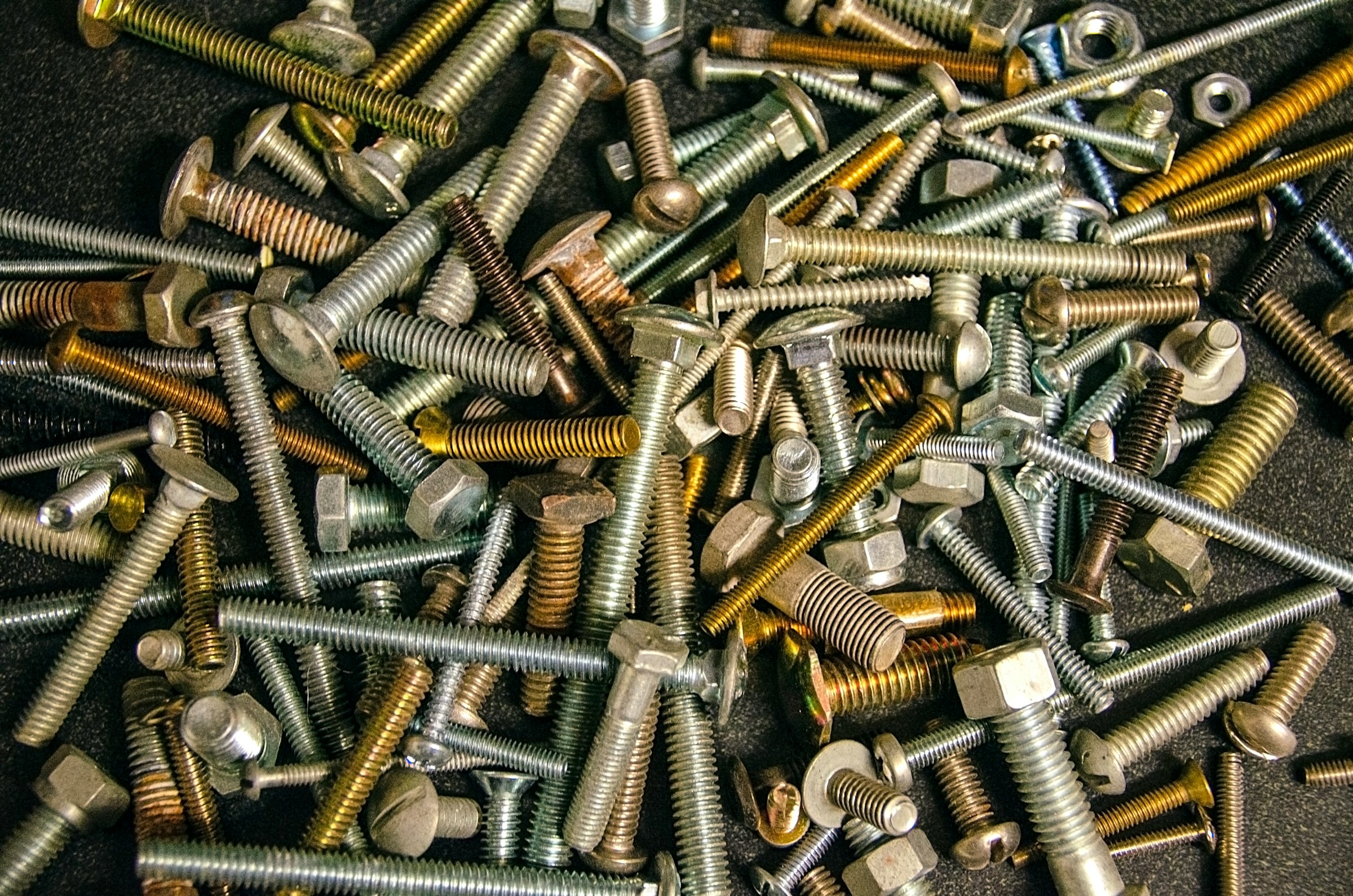
If you’ve ever spent more time searching for a bolt than actually using it (it’s okay, we have been there too…), you know how frustrating a cluttered workspace can be. Small parts like nuts, bolts, washers, screws, and fittings are essential to almost every project—but they’re also among the easiest to misplace or mix up.
A well-designed small parts organizer can transform your garage, shop, or toolbox by keeping your hardware visible, accessible, and neatly sorted. Whether you need a portable case to take on the go or a heavy-duty drawer system for your workbench, there are great options available to suit every setup and budget.
In this guide, we’ll break down some top tips that we’ve come across to help you keep your fasteners and hardware under control—saving you time, reducing stress, and improving your workflow.
This article contains Amazon Associate links. As an Amazon Associate, we earn from qualifying purchases at no additional cost to you.
Factors to Consider When Choosing a Small Parts Organizer
Choosing the right organizer depends on how you work, how much hardware you have, and where you store it. Here are the most important factors to consider before buying:
1. Type of Organizer
There are several formats to choose from:
- Drawer cabinets are perfect for fixed locations like workbenches or shelves. Check out our favorite Akro-Mils products; they’ve got some great small parts organizers that would be great here. Since this article has ran, we’ve also gone over some great options from Sterilite too.
- Portable cases are great for mobile use and on-the-go repairs. Personally, we swear by the Stanleys on our workbench.
- Wall-mounted bins keep your most-used parts within arm’s reach. The Plano Sportsman’s Trunks serve this function as well as the “portable cases” function perfectly!
- Stackable trays or modular systems offer flexibility as your collection grows. We like the Sterilite systems for this use case.
2. Number and Size of Compartments
Make sure the organizer has compartments that match the size of the items you store. Tiny screws need small, shallow bins, while bolts or plumbing fittings may require deeper compartments. Some organizers have adjustable dividers for extra versatility.
3. Material and Build Quality
Plastic organizers are lightweight and affordable, but not all plastics are created equal. Look for impact-resistant materials, reinforced corners, and sturdy hinges. If you’re working in a rough environment, consider a metal-framed or heavy-duty organizer.
4. Portability
Need to carry your hardware between workstations or to job sites? Choose a case with a strong, comfortable handle and locking latches to prevent spills. Lighter models are easier to transport, while heavier-duty ones offer better protection. Other than something expensive and professional like the Milwaukee Packout series, we really like the Plano trunks if you’ll be toting these around.
5. Visibility and Labeling
Clear lids and drawers allow you to see what’s inside without opening each compartment. Some models also include label slots or pre-printed tags to help you identify contents at a glance. Definitely don’t forget to make gratuitous use of a label maker here!
6. Expandability
Planning to grow your hardware collection? Consider organizers that are modular or stackable. Some brands offer add-on trays, bins, or rail systems that let you build a custom storage setup.
7. Mounting or Storage Options
If you’re tight on space, wall-mounted or under-shelf organizers can free up valuable bench space. Portable cases can tuck into drawers or stack on shelving when not in use. If you have the vertical space, ceiling-mounted storage racks are an incredible way to clean up your space!
Tips for Keeping Small Parts Organized
Even with the best organizer, your system is only as effective as your habits. Here are a few practical tips to help keep your nuts, bolts, screws, and other small parts tidy and easy to find:
- Group by category or size – Sort items by type (e.g., machine screws, drywall anchors, hex nuts, metric/SAE) and further divide them by size or thread pitch when possible.
- LABEL EVERYTHING!!! – Use printed or handwritten labels for each drawer or compartment. A label maker or masking tape and a sharpie can go a long way.
- Use foam inserts or dividers – These help prevent small parts from mixing, especially in portable organizers that get moved around often.
- Create a “frequent use” tray – Dedicate one small container to your most commonly used hardware for quicker access.
- Purge and consolidate – Every few months, go through your organizers to toss out duplicates, damaged items, or odd leftovers you’ll likely never use.
- Keep extra compartments available – Leave some space open for new hardware so your system can grow without becoming cluttered.
A few minutes of maintenance every now and then can save you hours of searching and frustration in the long run.
Conclusion
Keeping small parts organized is one of the simplest ways to bring order and efficiency to your workspace. Whether you’re a professional mechanic, a weekend DIYer, or just someone tired of digging through coffee cans and plastic bags for the right screw, investing in the right organizer is a game-changer.
From drawer-style cabinets to rugged portable cases and modular bin systems, the right solution depends on your space, your tools, and how you work. The options we’ve covered in this guide offer the best in durability, functionality, and convenience—so you can spend more time building and less time searching.
Choose the organizer that fits your workflow, implement a simple labeling system, and enjoy the benefits of a cleaner, more productive workspace.